Slide 3
Why Bengal?
500+
Tech Startups
120+
Engineering Colleges
₹8,000 Cr
Tech Investment Pipeline
Those headline numbers rest on institutions that already exist. The list below is the working inventory — infrastructure, research, incubation and language AI that the summit convenes rather than creates.

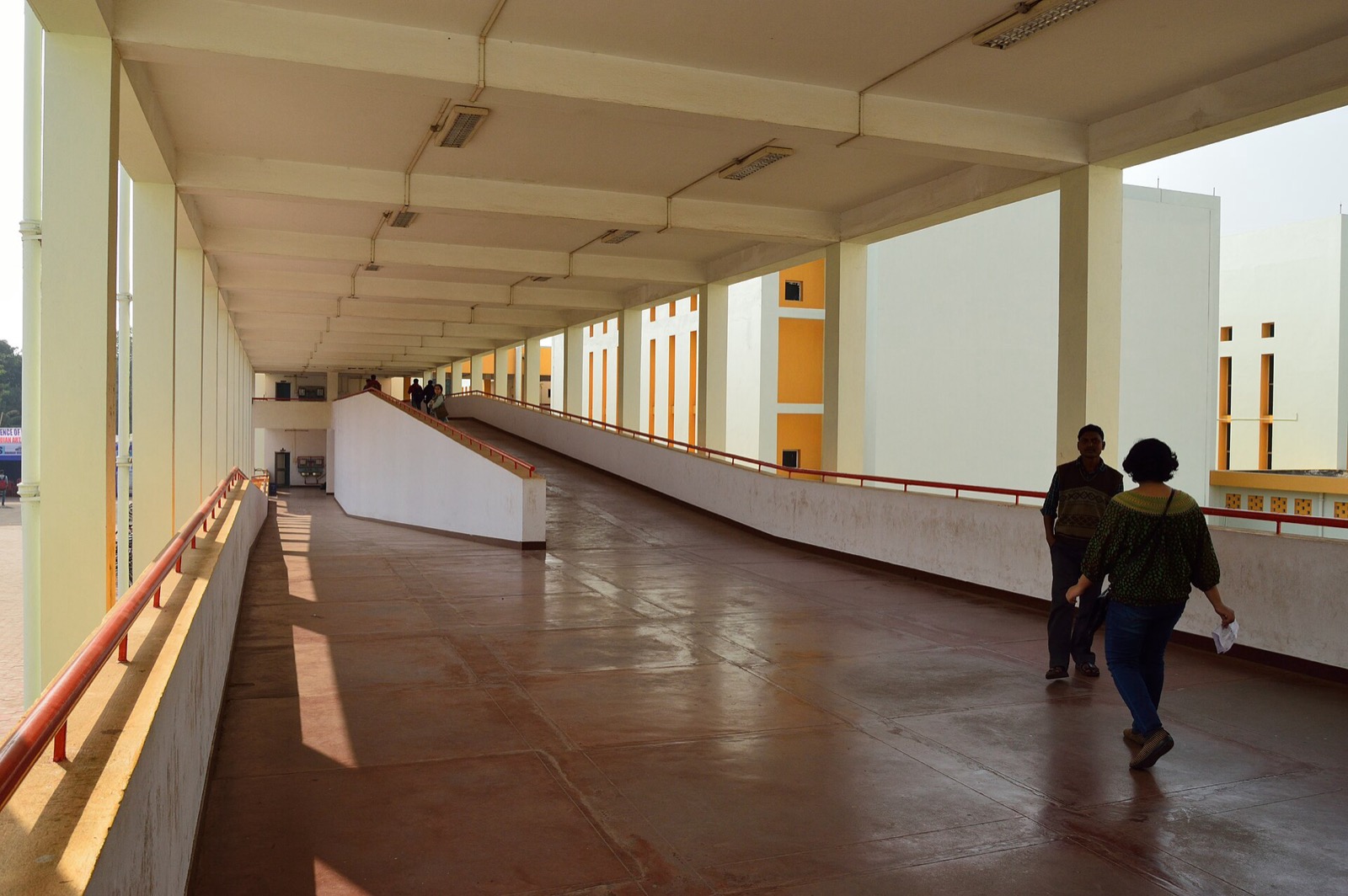 IIT Kharagpur
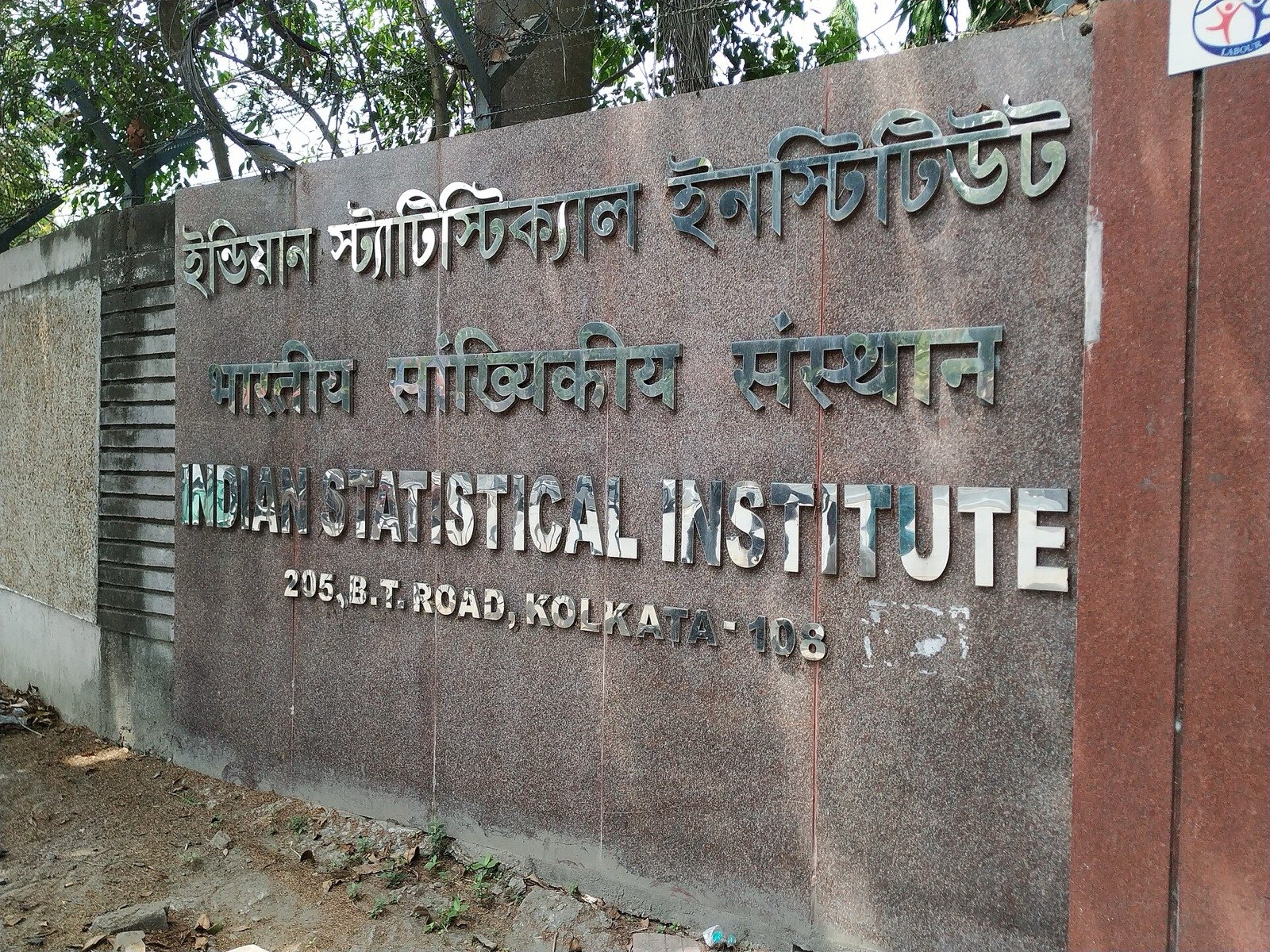 Indian Statistical Institute
 Kolkata
Why Bengal Needs AI
Education
Adaptive learning, teacher support and AI literacy from school through university.
Healthcare
Diagnostic support, triage and reach into districts where specialists are scarce.
Agriculture
Crop advisory, yield forecasting and irrigation guidance in the farmer's own language.
Manufacturing
Quality inspection, predictive maintenance and process optimisation on the factory floor.
Governance
Faster citizen services, better-targeted delivery and evidence for policy decisions.
Climate
Early warning, flood and cyclone modelling, and resilience planning for a delta state.
Employment
Skilling pathways and matching that turn AI from a threat to jobs into a source of them.
Innovation
Research, deep-tech startups and the transfer of ideas from lab bench to market.
“AI is not replacing people.
AI is empowering people.”
Inclusion, concretely
Down to the field
The test of “AI for Viksit Bengal” is not whether it works in a Sector V office. It is whether a farmer gets a useful answer, in Bengali, on a phone, about their own plot — and whether a teacher in a district school can use the same tools without a data-science degree.
That is why language AI sits alongside infrastructure in the list above, and why Digital Inclusion is one of the summit's ten objectives rather than an afterthought to them.
The ground truth
What Bengal already has
Infrastructure
Bengal Silicon Valley Tech Hub, New Town
~200–250 acres near Eco-Park with an investment pipeline of about ₹30,000 crore focused on AI, data centres and Global Capability Centres. Allottees include TCS, LTIMindtree, Reliance, Adani, Cognizant, Tech Mahindra, Capgemini and NTT.
Salt Lake Sector V
"Silicon Valley of the East" — around 430 acres hosting 70+ IT companies and the offices of the Department of IT & Electronics.
Webel
The West Bengal Electronics Industry Development Corporation, the state's nodal technology agency; its Oracle partnership aims to train 15,000 people in AI, cloud, cybersecurity and data science by 2029.
Research & Education
IIT Kharagpur
Department of Artificial Intelligence; Centre of Excellence in AI (est. 2018); the AI4ICPS national cyber-physical-systems hub; and a new ₹15 crore CoE for AI-enabled mining.
Indian Statistical Institute, Kolkata
The top Indian institute by AI-journal publications (2015–2020) and a global centre for statistics and machine learning foundations.
University ecosystem
IIEST Shibpur, Jadavpur University, University of Calcutta (A.K. Choudhury School of IT), MAKAUT and IIIT Kalyani anchor a deep talent bench across the state.
Startups & Incubation
Startup Bengal
The State Startup Resource Centre with 23 district acceleration centres, seed grants of ₹5–25 lakh and monthly sustenance allowances of ₹10–25 thousand.
STPI Kolkata
A new 200,000 sq ft Salt Lake facility supporting software exporters and product startups.
Incubation network
Webel-BCC&I Tech Incubation Centre (70+ startups), NASSCOM 10,000 Startups Warehouse Kolkata and IIM Calcutta Innovation Park.
Language AI
Bengali.AI
An open-source community building datasets and models for Bengali — the world's 7th most spoken language with 274 million speakers.
Bhashini & AI4Bharat
National language-AI infrastructure with Bengali support across IndicTrans2 (22 scheduled languages), IndicNER, IndicWav2Vec and IndicXlit.
Policy
State policy base
West Bengal AI-ML Technology Promotion Guidelines 2020, WB IT Policy 2018 and WB Data Centre Policy 2021 set the regulatory ground the summit's themes build on.
IndiaAI Mission
The national AI mission across seven pillars — compute, datasets, skilling, safety and application — the framework this summit localises at state level.